
The 10 Most Common Early Warning Signs of CRPS You Should Never Ignore
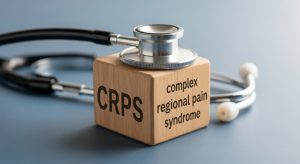 Complex regional pain syndrome (CRPS) is a condition that sometimes develops after an injury, surgery, or even a minor trauma. It’s known for causing pain that seems disproportionate to the original injury. Early diagnosis is extremely important, as prompt treatment can help prevent symptoms from worsening.
Knowing what to watch for puts you in a position to ask better questions, seek the right care, and advocate for yourself or your loved ones. Here are the ten most common warning signs of CRPS you should never ignore.
1. Severe pain that is out of proportion to the injury
One major warning sign of CRPS is pain that feels intense and never seems to match up with the minor injury or surgery that started it. People may describe the pain as burning, stabbing, or like an electric shock, sometimes coming in waves. Instead of easing as the days pass, the pain actually gets worse, not better.
Patients are often told this is just “normal healing,” or they’re sensitive or have a “low pain tolerance.” In truth, this pattern is not regular pain, and it often indicates a nerve-related problem, such as CRPS.
2. Extreme sensitivity to touch (Allodynia)
Another early feature of CRPS is a kind of sensitivity that most people have never experienced before. Even soft clothing, bedsheets, or the flow of air from a fan can cause significant discomfort and pain. A sensation that would otherwise be pleasant or that a person would be indifferent to becomes excruciating. This is often one of the earliest symptoms. CRPS-specific allodynia feels significantly different from the brief tenderness that most people expect after an injury.
3. Persistent swelling that doesn’t go away
CRPS swelling is stubborn and different from what you see with most injuries. It tends to come and go, sometimes ballooning overnight, and often refuses to respond to normal rest, ice, or elevation. This constant or unpredictable swelling can be misdiagnosed as normal post-surgery swelling, lymphedema, or a regular response to a sprained joint or muscle injury, but it often presents differently and shouldn’t be ignored.
4. Skin temperature changes (Hot or cold)
People with CRPS often notice that their injured limb suddenly feels either much warmer or far colder compared to the other. You might feel as though one hand is burning while the other remains at room temperature, or sometimes the affected limb feels frozen and painful. Doctors sometimes blame this symptom on simple poor circulation or say it might be related to anxiety and stress, but unexplained temperature extremes are a red flag for CRPS.
5. Skin color changes
Skin that turns red, blue, purple, or blotchy is one more potential warning sign of CRPS. Rapid color changes with no apparent cause can be noticeable, but many overlook this or simply assume it’s normal bruising. These dramatic color changes occur because CRPS disrupts tiny blood vessels (vasomotor instability), resulting in an unpredictable blood supply.
6. Abnormal sweating in affected limb
Unusual sweating, either excessive or extreme dryness, on just one side or limb, can be another warning sign. Some people will notice that their affected hand or foot is drenched in sweat, while the other remains dry. Others experience sudden dryness and flaking, unlike their normal skin. This unusual sweating pattern occurs because CRPS disrupts the autonomic nervous system, which regulates sweat production.
7. Stiffness, reduced range of motion, or weakness
Developing weakness, joint stiffness, or trouble moving your fingers, ankles, wrists, or toes (wherever your injury is located) is another sign to watch for. Loss of function can set in surprisingly fast with CRPS, sometimes stopping people from using their limb almost entirely.
Health care providers can assume this stiffness is just due to normal “guarding” of a sore area, or accuse patients of not pushing hard enough during rehabilitation.
8. Changes in hair, skin, or nail growth
Hair and nails don’t behave normally in the presence of CRPS. Nails may grow much more quickly or seem to slow down, growing brittle or uneven. Hair on the affected area can either thin out and fall away or start growing faster and thicker without explanation. The skin itself often looks shiny, thin, or waxy.
These visible changes reflect trophic damage caused by disruption of autonomic, vascular, and inflammatory signaling that normally supports healthy skin, hair, and nail growth. Providers who only look for classic signs may overlook these less typical but extremely important CRPS markers.
9. Tremors, spasms, or abnormal limb posturing
CRPS can cause motion-related problems. Some people develop uncontrolled shaking or trembling, called tremors. Others might have muscles that spasm without warning or find their hand, foot, or fingers curling inward, a condition known as “clawing.”
10. Pain that spreads beyond the original injury
Another concerning sign to watch out for is pain that spreads beyond the spot of the original injury. For example, pain that starts in one limb can move up or down that limb or even begin to occur in the opposite limb or other parts of the body that were never actually injured. When pain rapidly spreads like this, especially in combination with earlier symptoms, it’s a sign that CRPS should be considered as a diagnosis.
Early diagnosis matters
Getting CRPS diagnosed right away can make a huge difference when it comes to healing. The sooner a person receives proper treatment, the better their chances are of not suffering long-term consequences.
If you or a loved one is in this situation, we can help you understand your rights and explain all of your legal options. You can call The CRPS Law Firm, chat with us on our website, or fill out our contact form to schedule a free consultation.